DSE 英文卷二 News Report 新聞報道|格式+5**範文+常見錯誤


新聞報導係「稀有文體」,但你唔可以唔識
大部分同學備考英文卷二,都係圍繞 letter、article、speech 練來練去。新聞報導(news report)幾乎冇人當回事,因為佢出現次數太少。
但係,正正係因為咁,好多同學一見到呢個文體就即刻慌。結果格式全錯、語調全錯、內容又走咗去寫成 article,白白蝕分。
如果你而家睇緊呢篇,畀自己半個鐘了解清楚,之後見到呢題唔會再驚。
新聞報導並非 DSE Paper 2 常見文體,但一旦出現,格式要求非常嚴格。格式正確與否直接影響評分。
News Report 新聞報導係咩?同 Article 有咩分別?
好多同學分唔清 news report 同 article,其實兩者係截然不同嘅文體。
新聞報導(News Report),係一篇刊登喺報章上、向公眾報道某件發生咗嘅事件的文章。核心係「事實」,語調客觀中立,唔可以有個人意見。
文章(Article/Feature Article),係帶有作者觀點嘅分析性文字,可以有立場,可以有情感,語調可以較為個人化。
兩者最大分別:
| 項目 | News Report | Article |
|---|---|---|
| 語調 | 客觀、中立 | 可以有個人立場 |
| 內容重心 | 報道事件(已發生) | 分析、評論、建議 |
| 用詞 | 正式、簡潔 | 較靈活 |
| 第一人稱 "I" | 絕對不用 | 視乎情況可用 |
| 引述他人 | 必須有 | 可有可無 |
記住:新聞報導係第三身敘述,你係記者,唔係評論員。
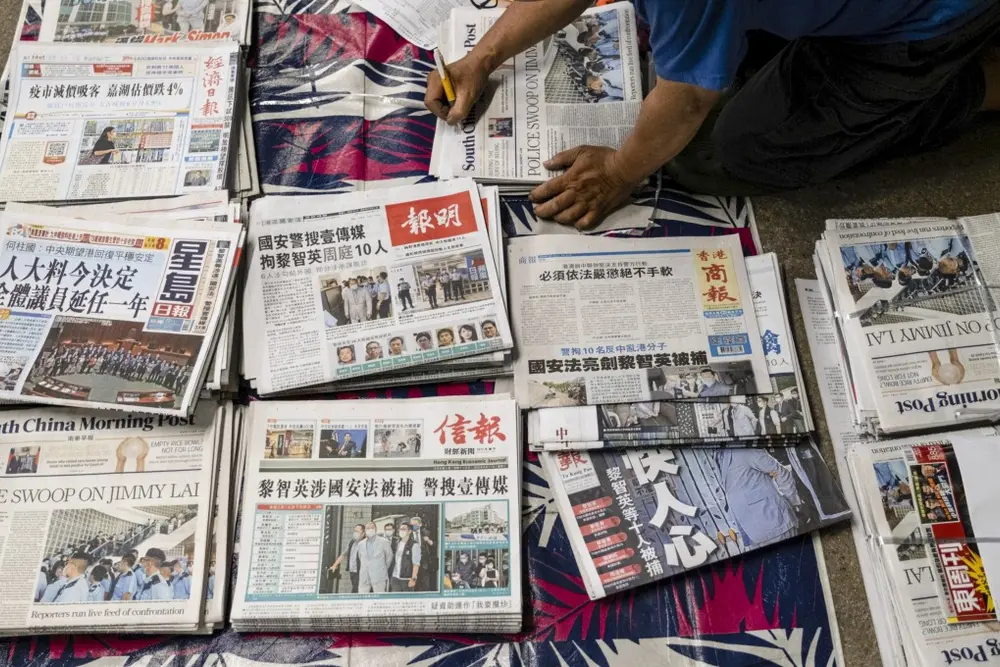
格式結構:逐層拆解
新聞報導格式有固定結構,缺少任何部分都會影響文體意識(genre awareness)評分。
完整格式一覽
1[Headline 標題]2[Byline 作者署名]3[Dateline 日期地點線]45[Lead Paragraph 導言段]67[Body Paragraphs 內文段落]89[Closing 結尾]
1. Headline(標題)
標題係讀者睇嘅第一樣嘢,直接影響佢願唔願意繼續睇。
寫法原則:
- 簡短有力,通常 5 至 10 個英文字
- 用現在時態或省略助動詞的形式,例如 "Shops Close as Online Sales Rise"
- 唔好用問句
- 唔需要冠詞 "a"、"the",可以省略
- 首字母大寫(Title Case)
好例子:Independent Stationery Shops Fight to Survive
差例子:The Independent Stationery Shops Are Disappearing(太長,語感重複)
2. Byline(作者署名)
緊接標題下面,格式固定:
1By [Name], [Newspaper Name] Reporter
例子:By Jane Chan, Hong Kong Post Reporter
題目通常會指定你用某個化名,跟住用就係。如果題目只寫咗報紙名,自己捏造一個記者名即可。
3. Dateline(日期地點線)
緊接 byline,格式:
1HONG KONG, [Month] [Day] —
例子:HONG KONG, March 12 —
Dateline 係大寫城市名加上日期,後面係破折號。部分同學會完全跳過呢部分,係扣分位。
4. Lead Paragraph(導言段)
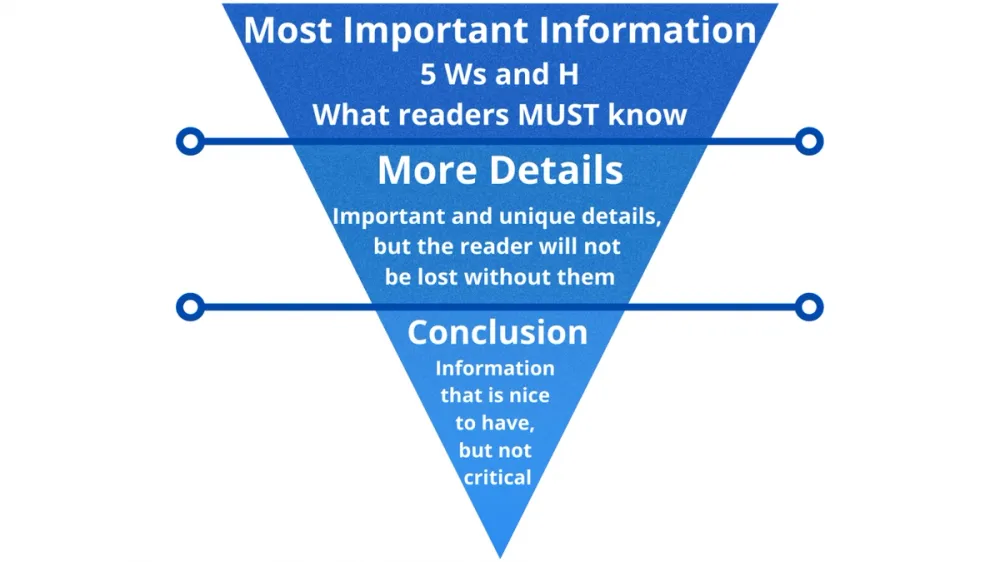
係全篇最重要一段,要包含 5W1H:
- Who 涉及什麼人或機構
- What 發生了什麼事
- When 何時發生
- Where 在哪裡發生
- Why 為什麼發生
- How 怎樣發生的
理想字數:60 至 80 字,一兩句話把整件事講清楚。
寫法上採用「倒金字塔結構(Inverted Pyramid)」,即最重要資訊放最前,愈後面愈次要。好似一個倒轉嘅三角形,最上面係核心事實,往下才係補充細節。
5. Body Paragraphs(內文段落)
跟住導言,分段展開細節,包括:
- 事件詳情及背景
- 各方人士的引述(quotes)
- 相關數據或統計資料
- 事件影響及未來展望
每段集中一個重點,段落之間要有邏輯流動。
引述嘅寫法,必須用第三身轉述或直接引語,例如:
Mr Lee, owner of a local stationery shop on Fa Yuen Street, said the situation had become "unbearable" as online competitors undercut prices significantly.
注意:引述唔係隨便寫,要顯示你係「向真實人士採訪」,令文章有可信度。題目通常會給你一啲資料可以轉化成引述。
6. Closing(結尾)
新聞報導嘅結尾唔係總結,唔係提出建議,而係提供一個「前景展望」或「補充資訊」,例如:
- 有關機構未來打算點做
- 相關政策或發展
1The government has yet to comment on the matter.2A spokesman for the Department of Commerce and Economic Development said further discussions were ongoing.
結尾唔需要好長,兩三句足夠。
語調與風格
新聞報導嘅語調是全卷二所有文體中最嚴格規範嘅一種。
必須注意:
客觀中立
唔可以有「我認為」、「我建議」,甚至帶情感色彩嘅形容詞都要小心使用。你係記者,唔係評論員。
被動語態(Passive Voice)
新聞報導大量使用被動句,令文字更客觀:
- "It was reported that..."
- "Several shops have been forced to close..."
- "The trend has been confirmed by..."
轉述語言(Reported Speech)
唔可以直接話「他說:『我好擔心。』」,要改成:
"He said he was deeply concerned about the situation."
或者加上引號引述關鍵字:
He described the situation as "deeply worrying."
正式用詞
避免口語化詞彙,例如:
- 不用 "a lot of",改用 "a significant number of"
- 不用 "said that he was sad",改用 "expressed concern"
- 不用縮寫如 "don't",要寫 "do not"
完整示範
以下係根據 2020 年 DSE Paper 2 Part B Q3 嘅題型,由我原創嘅示範文章。
題目背景:近年香港獨立文具店數量下降,為《Hong Kong Post》撰寫一篇新聞報導,解釋這個趨勢,並討論獨立文具店能否繼續生存。
Stationery Shops Struggle as Digital Age Takes Hold
By Sarah Leung, Hong Kong Post Reporter
HONG KONG, October 8 —
The number of independent stationery shops in Hong Kong has fallen sharply in recent years, as shifting consumer habits and rising rents push small businesses to the edge of survival, according to local business owners and trade representatives.
Mr Chan Wai-man, who has operated a stationery shop in Sham Shui Po for over 20 years, said his monthly revenue had dropped by nearly half since 2020. "People no longer come in to browse," he said. "They order everything online and it arrives the next day. I cannot compete with that."
The decline has been driven by a combination of forces. Online retailers have been able to offer identical products at significantly lower prices, while the post-pandemic shift towards remote work and digital communication has reduced demand for physical stationery altogether. A spokesperson for the Hong Kong Retail Management Association noted that independent stationery shops had recorded a decline of approximately 30 per cent over the past five years.
Younger generations, in particular, appear to have moved away from traditional stationery purchases. A survey conducted by a local secondary school found that fewer than one in five students regularly bought stationery from physical shops. Most reported that they placed orders via smartphone apps or used digital note-taking tools instead.
Despite the difficult conditions, some shop owners remain cautiously hopeful. Ms Wong, who runs a stationery and gift shop in Wan Chai, has pivoted towards selling locally designed notebooks and artisan supplies that cannot easily be replicated online. "There is still a market," she said, "but we have to offer something special, something customers cannot find with a click."
Industry observers suggest that survival may depend on whether independent shops can successfully differentiate themselves through curated products, personalised service, or cultural identity. The government has indicated it is reviewing support measures for small businesses, though no specific plans have been announced.
留意呢篇示範嘅幾個重點:
- 標題用現在時態,簡潔有力
- Byline 同 Dateline 都有
- 首段包含基本 5W1H 資訊
- 多個引述來自不同人士,增加可信度
- 通篇無「我」,無個人立場
- 結尾提供政府回應,唔係總結或建議
段落拆解:點寫每一部分
導言段(Lead)點開始
有幾個常用開頭框架:
框架一:以主體事件開始
1The number of [主體] in [地點] has [下降/上升] significantly in recent years, according to [資料來源].
框架二:以影響開始
1[負面影響/正面發展], as [原因解釋], local [相關人士] have reported.
框架三:以統計數字帶入
1[數字/百分比] of [主體] in Hong Kong have [變化], a recent survey has found.
引述段點寫
引述係新聞報導得分嘅核心技巧,要做到以下幾點:
- 至少引述兩至三個唔同身份嘅人,例如:受影響人士、業界代表、官方發言人
- 每段引述後要稍作解釋或補充
- 動詞唔好老用 "said",可以換 "noted"、"added"、"pointed out"、"explained"、"stressed"
常用引述引入句:
- "[Name], [title/position], said that..."
- "According to [source]..."
- "[Name] described the situation as '...'"
- "A spokesperson for [organisation] confirmed that..."
常見錯誤
錯誤一:寫成 Article,而唔係 News Report
❌ "I believe that independent shops will eventually disappear unless the government takes action."
✅ "Industry observers have warned that independent shops may struggle to survive without additional government support."
原因:新聞報導唔可以有第一人稱,唔可以有直接個人主張,要用第三身轉述他人睇法。
錯誤二:忘記 Byline 或 Dateline
唔少同學只寫標題,完全跳過 byline 同 dateline。呢兩個係新聞報導特有格式,缺少即代表文體意識不足,直接扣分。
錯誤三:引述用法錯誤
❌ He said: "I am very worried."
✅ He said he was very worried.
或:He described himself as "very worried."
直接引語可以用,但要確保引號內嘅內容係合理嘅引述(通常係關鍵字或短句),唔係整句重複。
錯誤四:語調過於情緒化
❌ "It is truly heartbreaking to see these beloved shops disappear one by one."
✅ "The closure of long-established shops has drawn concern from local residents and community groups."
新聞語調係客觀描述,唔係情感表達。形容詞要謹慎選用。
錯誤五:時態混亂
新聞報導通常用過去時態報道已發生嘅事,引述他人觀點時可用現在時態。唔好喺同一段內隨意切換。
❌ "The shop closes down last year and the owner says he is upset."
✅ "The shop closed down last year. The former owner said he was deeply disappointed by the outcome."
錯誤六:結尾寫成「建議」或「總結」
❌ "In conclusion, the government should provide more subsidies to help these shops survive."
✅ "The government has said it will review existing support measures for small businesses in the coming months."
新聞報導嘅結尾係提供最新進展或相關方回應,唔係你嘅個人建議或總結。
評分要點
DSE English Paper 2 係按 Content、Language、Organisation 三方面評分。
Content(內容)
你所報道嘅事實是否完整、有深度?是否回應晒題目所要求嘅各個層面?引述是否具體、有說服力?數據運用是否恰當?
Language(語言)
新聞報導對語言要求很高,因為「客觀正式」本身已係一種挑戰。能夠靈活運用被動語態、轉述語言、正式詞彙,係取得高分嘅基礎。
Organisation(組織)
格式是否正確(Headline, Byline, Dateline, Lead, Body, Closing)?段落之間是否有清晰邏輯?倒金字塔結構是否體現?
區分各個等級嘅關鍵,通常係喺「引述質素」同「語調一致性」上,Level 4 同 Level 5 嘅分別往往唔係詞彙多少,而係佢哋有無維持一致嘅新聞語調,同埋引述是否自然流暢地融入文章之中。
考場實戰建議
時間分配(以 Part B 約 45 至 50 分鐘計)
- 審題:5 分鐘,確認文體要求、對象、題目要求涵蓋嘅層面
- 構思及提綱:8 至 10 分鐘,先列出 5W1H,再決定引述咩人
- 執筆:30 至 35 分鐘
- 校對:5 分鐘
構思框架(見到題目即可套用)
- 事件係咩?(What happened)
- 涉及邊啲人?(Who is affected)
- 點解會發生?(Background / causes)
- 引述「受影響人士」
- 引述「業界/專家/官方」
- 未來展望或官方回應
緊記:捏造合理嘅引述係完全允許嘅。 題目通常提供資料,你把呢啲資料轉化成不同「人士」嘅說法,係展示寫作技巧嘅好機會,唔係造假。
如果唔確定某個格式要求,優先跟從題目嘅明確指示,其次才係一般新聞格式慣例。
練習自我檢查清單
完成練習後,用呢個清單核對:
- 有 Headline,且格式正確(現在時態、Title Case)
- 有 Byline(By [Name], [Newspaper] Reporter)
- 有 Dateline(HONG KONG, [Date] —)
- 首段包含 5W1H 基本資訊
- 至少兩個來自不同人士嘅引述
- 通篇無第一人稱「I」
- 無個人意見或建議式語氣
- 大量使用被動語態
- 時態一致(主要用過去時態)
- 結尾係「進展/回應」,唔係「建議/總結」
最後幾句
新聞報導係所有 Paper 2 文體中,格式最標準化嘅一種。好消息係,只要你記清楚格式,語調保持客觀,引述寫得自然,已經可以穩穩地取得不錯嘅分數。
壞消息係,佢考嘅係你有無真正理解「新聞語言」同「新聞思維」,就係要你暫時放低自己嘅立場,以旁觀者角度客觀報道一件事。
練習嘅方法好簡單:拎一篇英文報紙嘅新聞稿(South China Morning Post 或 Hong Kong Post 都得),分析佢嘅結構,拆解佢點樣引述人物、點樣描述事件,然後參考嘅格式去寫自己嘅練習。