未輪到你,或者就嚟輪到你考 DSE Speaking?dse.best 為大家整理咗由全港考生親身匯報嘅題目。呢個專頁會持續更新,確保你掌握最新趨勢,考前溫習立竿見影!我哋目標好簡單,就係幫大家一齊衝 5** ❗
1.1 Two-Dish Rice (兩餸飯文化)
背景及香港關聯: 兩餸飯唔止係因為平,佢反映咗香港人喺經濟不景氣下嘅生存智慧。由「草根食堂」變成「全港熱潮」,考官想睇你點樣將呢種飲食習慣同香港嘅社會變遷掛鉤。
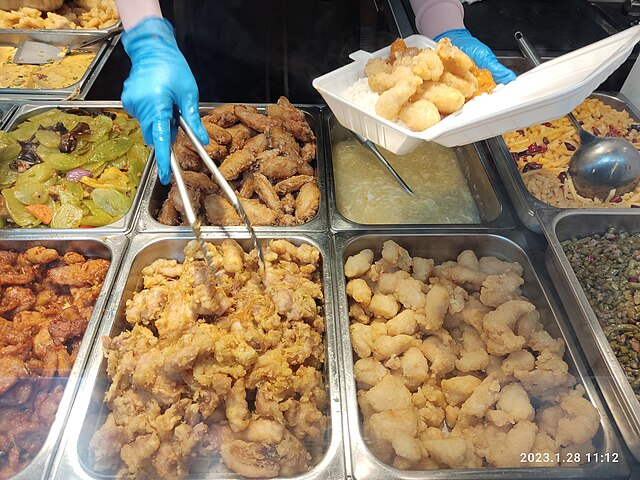
1.1 Part A Group Discussion
Point 1: Why are "two-dish rice" meals so common in Hong Kong?
呢部分要解釋兩餸飯點樣完美契合香港人嘅生活痛點。香港生活節奏極快,加上近年經濟壓力大,兩餸飯提供咗一個「快、平、有屋企味」嘅解決方案,成功滲透各個階層。
Economic Downturn & Inflation: 市民消費降級 (Consumption downgrading),尋求更具性價比 (Value-for-money) 的選擇。
Hectic Lifestyle: 香港人工作時數長,兩餸飯即買即拎 (Ready-to-eat),節省買餸煮飯嘅時間
Diverse Options: 每日提供幾十款小炒,滿足香港人對飲食多樣性 (Gastronomic diversity) 嘅要求
Low Barrier to Entry: 舖頭經營模式簡單,容易喺商業區同舊區迅速擴張
Social Media Hype: KOL 同網民嘅推波助瀾,令食兩餸飯由「寒酸」變成一種地道文化標籤
Point 2: What are the advantages and disadvantages?
利弊分析唔好只講好食同唔好食,要從健康、文化同效率三個維度去講。優點係靈活性高,缺點則是隱藏嘅健康成本。
✅ Pros:
High Flexibility: 考生可以按個人胃口自由組合 (Customization),比起死板嘅常餐更有自主權
Cultural Resilience: 體現咗香港人靈活變通嘅特質,係一種極具生命力嘅地道飲食文化
❌ Cons:
Health Risks: 菜式普遍多油多鹽 (High in sodium and oil),長期食用會增加患慢性病嘅風險
Hygiene Transparency: 食物長時間暴露喺開放式櫃位,喺人多擠迫嘅香港,存在一定衛生隱憂
Social Stigma: 部分人仍認為兩餸飯代表低生活質素,可能對整體社會觀感造成負面影響
Point 3: How can we promote "two-dish rice" to tourists?
推廣畀遊客要 Sell 嘅係 「體驗」 而唔係 「平」。你要諗點樣將一個平民飯盒包裝成一個旅遊景點 (Tourist attraction)。
Authentic Local Experience: 標榜為 「香港版便當」,畀遊客感受最真實嘅地道草根生活
Bilingual Menus & Photos: 解決外國人唔識點餐 (Ordering barrier) 嘅問題,增加推廣效率
Digital Food Maps: 利用 Apps 標註返各區「名店」,吸引鍾意深度遊 (In-depth travel) 嘅後生遊客
Hygiene Certification: 建立一套針對兩餸飯店嘅衛生評級,增加遊客食用嘅信心
Culinary Tours: 導賞團可以加入兩餸飯環節,向遊客介紹呢種飲食背後嘅社會故事
💡 5** 必備 Vocabulary (Two Dish Rice)
詞彙 | 意思 | 用法 |
Economic resilience | 經濟韌性 | 講解兩餸飯點樣幫香港人撐過難關 |
Prevalent phenomenon | 普遍現象 | 描述兩餸飯成為主流時用 |
Gastronomic diversity | 飲食多樣性 | 講述選擇多元時的高階表達 |
Hectic lifestyle | 忙碌生活節奏 | 解釋香港人為何需要快餐文化 |
Budget-friendly alternative | 經濟實惠替代方案 | 比 "cheap option" 優雅得多 |
Consumption downgrading | 消費降級 | 結合經濟背景分析時必用 |
Cross-contamination | 交叉污染 | 討論衛生風險 |
1.1 Part B Individual Response 思路
10 條 IR 題目睇落好散,但其實只要準備好呢 3 個方向,包你抽中邊條都吹到 1 分鐘:
方向 A:個人選擇與實踐 (Personal Choice)
適用題目: What do you eat for lunch? / Have you ever eaten two-dish rice? / How would you recommend it to others?
答題重點: 唔好淨係答食定唔食,要講 Practicality (務實)。身為學生,最緊要係 Efficiency 同 Value-for-money。兩餸飯可以畀我喺有限嘅食飯時間入面,攞到最平衡嘅營養,絕對係 Time-efficient 嘅首選。
方向 B:經濟環境與社會文化 (Economy & Culture)
適用題目: Do you agree two-dish rice will become a culture? / Do economic conditions affect meal choices? / Quality vs. Price?
答題重點: 升華去 Level 5 嘅位。你要話兩餸飯係香港嘅 Economic barometer (經濟晴雨表)。因為 Consumption downgrading (消費降級),大家開始追求 Pragmatic lifestyle。佢已經由一種 「選擇」 變成咗一種 Social collective memory,體現咗香港人喺逆境中嘅韌性。
方向 C:媒體影響與服務改進 (Media & Improvement)
適用題目: How social media influences habits? / How influencers promote it? / How to improve service?
答題重點: 講 Digital Influence。兩餸飯爆紅係因為佢夠 Instagrammable (視覺衝擊大)。至於改進,可以提倡 Standardization (標準化) 或者提高 Hygiene transparency (衛生透明度),令兩餸飯由 「街頭食肆」 進化成具規模嘅餐飲品牌。
1.2 Importance of Financial Literacy among teenagers (青少年理財)
背景分析: 香港雖然係國際金融中心,但青少年理財觀念普遍薄弱。電子支付(如 PayMe, 八達通)盛行令金錢虛擬化,加上消費主義 (Consumerism) 影響,令好多後生仔變成 「月光族」。考官想睇你點樣將理財同學生日常、未來規劃掛鉤
1.2 Part A Group Discussion
Point 1: What is the importance of being financially literate?
理財唔只係儲錢,而係一種 Life skill,幫助青少年建立獨立性同責任感。
Debt Prevention: 防止學生誤入 Debt traps (債務陷阱),例如大學時期過度透支信用卡
Future Planning: 為升學或應付緊急開支做好準備,增加人生嘅 Flexibility (靈活性)
Value Consciousness: 學識分辨 Need vs Want,理解每分錢背後嘅勞動力
Examples:
1. 避免因為盲目追隨潮流而欠下卡數 (Credit card debt)
2. 提早建立 Emergency funds 以應付突發意外(如電話損毀)
3. 為畢業後嘅創業或深造計劃累積原始資本 (Startup capital)
Point 2: What strategies can students adopt to save money?
提供具體、可行嘅方法 (Actionable advice) 先至高分。
Budgeting Rule: 實行 50/30/20 法則,強制將部分零用錢轉入儲蓄戶口
Expense Tracking: 利用手機 App 紀錄 Daily expenses (每日開支),搵出消費痛點
Delayed Gratification: 實行「冷靜期」,買奢侈品前先等 24 小時
Examples:
1. 減少購買昂貴嘅 Hand-shaken drinks (台式飲品),每日省下數十元。
2. 使用理財 App 設定每月消費上限,一旦超支即停止非必要消費。 3. 尋找 Student discounts 或購買二手書,減少固定開支
Point 3: How can we promote financial education in schools?
學校嘅角色係將枯燥嘅理論變成 Interactive experience
Gamification: 舉辦模擬投資比賽或工作坊 (Interactive workshops),用遊戲形式模擬財務決定
Curriculum Integration: 將基本會計或利息概念融入生活與社會科
Expert Sharing: 請金融專業人士分享真實案例,比起老師講理論更具說服
Examples:
1. 舉辦 「大富翁」 式理財周,讓學生模擬管理一個月嘅家庭開支。
2. 邀請銀行從業員分享關於 Phishing scams (網絡詐騙) 嘅真實失敗個案。 3. 設立「校園儲蓄計劃」,獎勵能堅持達成理財目標嘅同學
1.2 Part B Individual Response 思路
1.2 嘅 IR 題唔係問你 「點儲錢」 ,係考你對 「金錢觀念」 嘅深刻理解。如果你只係答 "I save money in a piggy bank",最高只會得 Level 3。要衝 5**,你要用下面呢 3 個 Angle 去拆解:
Angle 1:電子支付與消費心理 (Digital Payment & Psychology)
針對題目: Why is managing money difficult? / Why don't people save? / Why some have weaker concepts?
核心 Points:
Invisible Outflow: 電子支付令錢變到好似「虛擬點數」咁,洗錢嗰陣冇咗銀紙離開銀包嘅 Physical pain
Frictionless Consumption: 網購只需一鍵下單 (One-click purchase),減少咗考慮時間,導致 Impulsive buying (衝動消費)
Delayed Realization: 往往要到月尾睇月結單 (Bank statement) 先知痛,缺乏即時嘅 Financial awareness
Targeted Advertising: 演算法不斷推播你鍾意嘅嘢,全天候 Consumerist temptation (消費誘惑) 令你意志力崩潰
5** 靚字:Psychological detachment (心理脫節), Abstract numbers (抽象數字), Instant gratification (即時滿足).
Angle 2:社交壓力與同儕影響 (Social Pressure & Peer Influence)
針對題目: How peer pressure influence teenagers? / Do you buy more than you need? / Why is it difficult to save?
核心 Points:
Fear of Missing Out (FOMO): 怕同朋友冇共同話題,唯有夾硬買最新嘅 gadgets 或去昂貴嘅餐廳 "Check-in" (打卡)
Status Symbols: 將物質消費當成一種 Social identity (身份認同),覺得用名牌先至會被圈子接納
Keeping up with the Joneses: 呢種「盲目攀比」心態令後生仔即使預算有限,都要維持一個 Affluent lifestyle (富裕生活嘅假象)
Social Validation: 喺 IG 曬新嘢可以獲得 Likes,呢種短暫嘅 Self-esteem boost (自尊心提升) 蓋過咗理財邏輯
5** 靚字:Sense of belonging (歸屬感), Materialistic society (物質主義社會), Conspicuous consumption (炫耀性消費)
Angle 3:未來風險與個人責任 (Future Risk & Responsibility)
針對題目: Is having an emergency fund important? / If given $1000, how much to save? / Why manage money?
核心 Points:
Unpredictable Circumstances: Emergency fund (應急基金) 係為咗應付突發意外,例如電話壞咗、家人病倒等
Financial Autonomy: 儲錢唔係做守財奴,而係為咗喺未來有 Freedom of choice,例如畢業後可以創業而唔係被迫打工
Sense of Security: 戶口有錢會提供心理上嘅 Peace of mind (安心),減少對未來嘅焦慮感
Habit Formation: 後生嗰陣學識 Resource allocation (資源分配),係為成年後管理更大筆資產 (Asset management) 做準備
5** 靚字:Rainy day fund (應急錢), Precautionary measure (預防措施), Long-term self-reliance (長期自力更生)
🚀 Level 5** 示範答案 (Sample Response)
題目: Why is it difficult for some people to save money nowadays?
"I believe the biggest obstacle is the psychological detachment caused by our cashless society. When we use PayMe or credit cards, money becomes mere abstract numbers on a screen, and we lose the physical sensation of spending real cash. This makes consumption feel 'painless', leading to massive unconscious spending. Furthermore, the prevalent consumerist culture on social media creates constant peer pressure, tempting people to pursue instant gratification through status symbols rather than prioritising their long-term financial safety net."
📚 5** 必備 Vocabulary (Finance Edition)
詞彙 | 意思 | 用法 |
Financial autonomy | 財政自主 | 講理財目標係為咗唔使依賴父母 |
Impulse buying | 衝動消費 | 解釋點解後生仔存唔到錢 |
Deferred gratification | 延遲滿足 | 形容儲錢所需要嘅心理素質 |
Fiscal discipline | 財政紀律 | 比 "saving habit" 更專業嘅講法 |
Safety net | 安全網 | 形容 Emergency fund 嘅作用 |
Monetary concept | 金錢觀念 | 討論青少年理財教育時用 |
Accumulate wealth | 累積財富 | 比 "make money" 更正式 |
Vulnerable to scams | 容易受騙 | 講缺乏理財知識嘅風險 |
1.3 Online Dishonesty (網上誠信)
背景分析: 呢題核心考緊 "Digital Ethics" (網絡倫理)。喺 IG、Threads 甚至 AI 盛行嘅年代,「誠實」嘅定義已經模糊化。考官唔係要聽「講大話唔好」呢啲小學生道理,而係要你分析虛擬形象 (Virtual Persona) 與 現實 (Reality) 之間嘅矛盾。

1.3 Part A Group Discussion
Point 1: Reasons for people telling lies online
Validation & Dopamine: 追求 Likes 同 Followers。網上嘅虛榮心能提供即時嘅 Social validation,令現實平庸嘅人獲得快感
Escapism: 逃避現實。透過 Curating a perfect life (策展完美生活),掩飾現實中嘅 Insecurity (自卑)
Anonymity & Low Cost: 網絡嘅匿名性令講大話唔使負責任,亦好難被 Fact-check,助長咗 Deceptive behavior
Example:
1. 誇大旅遊經歷或財富,打造 「成功人士」 形象
2. 喺 Threads 虛構故事以獲得轉發
Point 2: How you feel / How to protect from lies
✅ 個人層面 (Personal)
Betrayal & Distrust: 發現朋友呃人,會質疑佢哋嘅真實性 (Authenticity)
Cognitive Dissonance: 網上形象 vs 現實人格有落差,令人困惑
✅ 關係層面 (Relational)
Erosion of Trust: 一次呃人,可能破壞長期建立嘅友誼基礎
Communication Barrier: 以後傾計都會 「有保留」,難以建立深度連結
✅ 社會層面 (Societal)
Normalization of Dishonesty: 如果大家都 「呃下無妨」,網絡誠信會逐步崩壞
Misinformation Spread: 個人謊言可能演變成群體誤導,影響公共討論質素
Example:
1. 見到太誇張嘅 Achievements 時,先睇來源是否可靠
2. 明白網上見到嘅多數係 Filtered reality
Point 3: AI & Edited Photos (Anything else)
The Erosion of Originality (AI Text):
論點: 如果成篇文完全由 AI 生成但唔申報,呢種係 Intellectual Dishonesty (知識誠實)。佢抹殺咗人類嘅 Critical thinking 同獨特情感。
後果: 網上資訊會變得 Homogenized (同質化),全人類睇緊嘅內容都係出自同一個演算法,失去咗人類交流嘅 Authenticity (真實性)。
The Distortion of Self-Image (AI/Filtered Photos):
論點: 過度執相唔單止係騙人,仲係一種心理上嘅 Self-deception (自欺欺人)。
後果: 呢種行為會加劇社會嘅 Body Dysmorphia (身體畸形焦慮)。當網上充斥住不可達到的 Aesthetic standards (審美標準),青少年會對真實嘅自己感到自卑,造成嚴重心理壓力。
Commercial vs. Personal Ethics:
論點: 區分「藝術表達」同「惡意誤導」。網紅利用 AI 營造虛假嘅 Affluent lifestyle (富裕生活) 嚟獲取廣告收益,本質上係一種 Commercial fraud (商業欺詐)。
1.3 Part B Individual Response 思路
呢組 IR 題(共 8 條)唔使逐條背,掌握呢 3 個核心 Angle 就夠:
Angle 1:形象管理與心理 (Impression Management)
針對題目: Why exaggerate achievements? / Do you like adding photos? / Why post edited photos?
攞分 Points:
Visual-driven Culture: 現代社交媒體係視覺導向,執相係為咗符合大眾的 Aesthetic standards (審美標準)
Self-presentation: 社交平台係一個舞台,每個人都想展示 Best version of themselves,未必係想 「騙人」,而係一種心理防衛
Social Comparison: 驚比人睇低,所以要誇大成就嚟維持 Self-esteem
5** 靚字: Instagrammability (適合打卡度), Peer recognition (同儕認可), Filtered reality (過濾後的現實).
Angle 2:技術與誠信邊界 (Technology & Integrity)
針對題目: Is it dishonest to use AI text? / Is it important to be honest online?
攞分 Points:
Blurred Boundaries: AI 係工具定係「代筆」?如果 AI 抹殺咗 Originality (原創性) 而不申報,就係 Dishonest
Digital Transparency: 誠信係網上交流嘅基礎。如果網絡充斥假資訊,會造成 Information chaos (資訊混亂)
Ethical Standards: 討論技術進步點樣挑戰傳統嘅 Moral values (道德觀)
5** 靚字:Academic integrity (學術誠信), Authenticity (真實性), Plagiarism (抄襲)
Angle 3:資訊篩選與保護 (Information Literacy)
針對題目:How to make sure info is true? / Have you seen people being dishonest? / Do you use social media often?
攞分 Points:
Cross-referencing: 唔好單信一個 Source,要學識 Cross-verify 唔同平台嘅資訊
Critical Thinking: 分析 Post 嘅動機 (Motives),係咪商業廣告或 Sensationalism (博眼球)
Digital Footprint Awareness: 意識到網上嘅 Misinformation 會導致社會分裂或經濟損失
5 靚字:Fact-checking (事實查核), Echo chamber (同溫層效應), Credibility (可信度).
🚀 Level 5** 示範答案 (Sample Response, 1.3)
題目:Do you think it is dishonest to post text online that is written by AI?
"I believe it depends on the intent and transparency. If a person uses AI to generate content and claims it as their own original work without any disclosure, it is undoubtedly a form of intellectual dishonesty. It undermines the value of human creativity and original thought. However, if AI is used as a collaborative tool to refine ideas or improve grammar, it can be acceptable. In this digital age, we must establish clear ethical guidelines to ensure that technology enhances our work rather than replacing the fundamental value of authenticity."
📚 5** Vocabulary Bank (Online Ethics Edition)
詞彙 | 意思 | 高分用法場景 |
Digital footprint | 數碼足跡 | 講網上行為會留下永久記錄 |
Echo chamber | 同溫層 | 解釋點解假消息喺特定群組傳得快 |
Critical digital literacy | 批判性數位素養 | 提教育建議時用,比 "media literacy" 更 precise |
Authenticity vs. Curation | 真實 vs 精心包裝 | 討論社交媒體形象管理 |
Misinformation / Disinformation | 誤導資訊 / 故意假資訊 | 分辨 「無心之失」 同 「惡意散播」 |
Moral ambiguity | 道德模糊 | 講網絡誠信界線唔清晰 |
Verification culture | 核實文化 | 倡議社會應培養查證習慣 |
Algorithmic bias | 演算法偏見 | 進階討論:點解平台會推啲誇張內容 |
Conclusion
睇完 1.1 兩餸飯、1.2 青少年理財 同 1.3 網絡誠信 三大熱門話題,相信大家對今日嘅考題趨勢都有咗個底!📝
🌟 dse.best 最後貼士:
唔好死背答案:考官想聽你嘅思考過程,唔係背書。用我哋提供嘅 邏輯鏈 (Logic Chain) 去組織自己嘅說話。
互動係關鍵:Group Discussion 入面,記得 Link 返其他考生嘅觀點
(e.g. "I agree with Candidate A, and I'd like to add...")。
自信最重要:就算遇到未準備過嘅題目,用返 Part B 嘅結構模板 去拆解,穩住個陣腳就得!
祝大家喺 DSE Speaking 入面,無論遇到咩題目,都能夠 思路清晰、對答如流、穩奪 5!** 💬✨
⚠️ 再次提醒: 本頁內容聚合自考生網上分享,僅供參考,不代表官方立場。最終考試內容請以 HKEAA 指引為準。